
Review · UAE
Local Street Food and Guided Walking Tour of Dubai Old Town
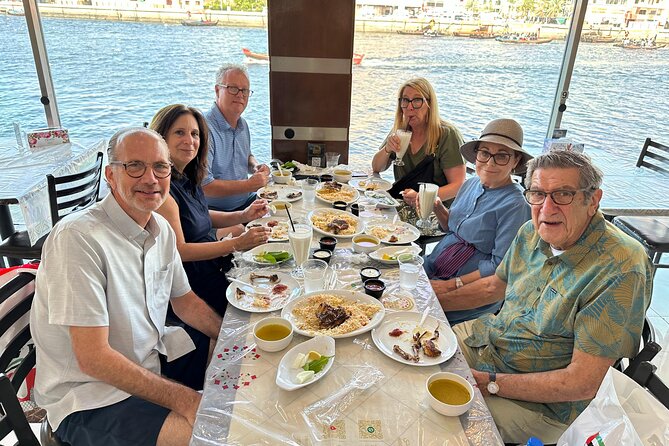
Dubai’s best food stories are found away from its glass towers, and this tour puts you in the right place: Old Dubai, where narrow lanes, wind towers, temples, souks, and Dubai Creek fit into one walk. I like the mix of a traditional abra crossing and generous local tastings, including shawarma, falafel, hummus, chicken mandi, kunafa, and Arabic tea.
I also like that the tour ends near Al Ras Metro Station, beside the Spice Souk and Gold Souk, so you can keep exploring after the guide leaves. The main caution is pace: three hours is a short time for several neighborhoods, food stops, shopping areas, and a boat ride, so expect a brisk outing rather than a slow museum visit.
Key things to know before booking
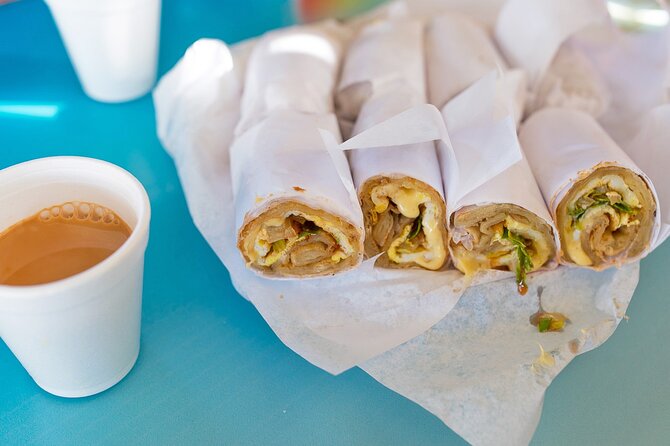
- The food is the main event: Come hungry for shawarma, falafel, hummus, chicken mandi or madhbi, kunafa, luqaimat, tea, dates chocolate, faluda, and other drinks.
- The route crosses Dubai Creek: A short abra ride links Bur Dubai with Deira and gives you one of the city’s most traditional forms of transport.
- You visit several distinct areas: Al Fahidi, the Textile Souk, Spice Souk, and Gold Souk each offer a different view of Old Dubai.
- The tour is private: Only your own group participates, which makes it easier to ask questions or shape the conversation around food, shopping, and local customs.
- Bargaining is part of the experience: The guide can help you judge prices and shop with more confidence, especially in the Textile and Spice Souks.
- Plan for a walking-heavy morning or afternoon: The tour lasts about three hours and includes alleys, markets, a creek crossing, and food stops.
Why this Old Dubai walk works so well
Dubai is often presented through modern towers, indoor malls, and grand hotel lounges. This experience takes you to a different city. In Al Fahidi, buildings use stone, gypsum, teak, sandalwood, palm fronds, and palm wood. Tall barjeel, or wind towers, rise above the lanes, showing how homes were cooled before air-conditioning changed daily life.
That setting gives the food a useful context. You are not simply handed a plate of hummus and told its name. You are eating in the part of Dubai that reflects life from the mid-19th century through the 1970s, then moving toward the creek and the old trading districts that still shape the city.
I especially like the balance between planned sights and small tastes. A food tour can become a string of restaurants, while a history walk can leave you hungry and tired. Here, the meal-sized samples help keep the route lively, and the sights explain why these foods matter in the region.
The private format is another advantage. With only your group taking part, you can ask about ingredients, local customs, shopping prices, or places to eat later. A guide named Mansoor is praised for explaining both the country and the food, and for giving practical advice about what to buy and how much to pay.
More Old Quarter and Medina Food Walks in Dubai:
- Dubai: Old Town, Creek, Museums, Souks, & Street Food Tour
★ 4.8 · 10,816 reviews - Dubai: Old Town, Souks, Street Food, Guided Tour & Abra Ride
★ 4.9 · 7,170 reviews - Dubai: Old Town, Souks, Street Food, Guided Tour & Abra Ride
★ 5.0 · 1,664 reviews
Al Fahidi gives you Dubai before the skyscrapers
The tour begins at Arabian Tea House Restaurant & Cafe in Al Fahidi. This is a useful starting point because you are already in one of the most atmospheric parts of Bur Dubai, rather than meeting beside a highway or shopping mall.
Al Fahidi Historical Neighbourhood is made for walking. Its lanes are narrow, and the buildings sit close together around small squares and pathways. Look up at the barjeel towers, which helped move air through homes, and notice the traditional materials used in the restored structures.
The scheduled visit here is about 20 minutes, so do not expect to examine every courtyard. Use this opening stretch to get your bearings, listen to the guide’s explanation of traditional life, and take in the change from modern Dubai outside the district.
You will also visit Dubai’s oldest surviving building, Al Fahidi Fort, dating from the 1780s. It was built as a fortress and once served as a center of political power. The fort adds a useful piece of civic history to the tour, though the experience is not designed as a long museum visit.
A short visit to the Shiva Temple adds another layer
From the old residential quarter, the route reaches the Dubai Hindu Temple. The temple serves Dubai’s Hindu community and forms part of a complex that began in Bur Dubai in 1958, with Shiva Mandir, Krishna Mandir, and a Gurudwara.
The stop lasts about 10 minutes. That is enough for a brief look and an explanation of the site, but not enough for a detailed study of religious art or architecture. You should also treat this as a place of worship, not simply a sightseeing stop, and follow the guide’s directions about respectful behavior.
This short visit helps show how many communities have shaped Old Dubai. It is a compact stop, but it breaks up the usual fort-and-market route and gives the walk a broader cultural frame.
The Textile Souk is colorful, social, and price-sensitive
The Textile Souk is one of the most useful places on the route if you want a souvenir. Shops display fabrics, shawls, embroidery, and textiles in a wide range of colors and textures. You might find something worth taking home, but the point is not to rush into the first purchase.
Bargaining is expected here. Ask the guide for help if you are unsure about a price or the quality of an item. One of the practical benefits of taking this tour with a local guide is knowing when a quoted price seems reasonable and when you should keep looking.
The planned stop is about 20 minutes, which gives you time to browse but not to conduct a serious shopping expedition. If you enjoy markets, you may wish you had longer. If shopping is not your goal, the brief visit keeps the tour moving.
More street food walks around Dubai:
- Dubai: Old Town, Street Food, Creek, Souks, & Emirati House
★ 4.9 · 1,496 reviews - Old Dubai: Premium Guided Tour with Street Food & Abra Ride
★ 4.9 · 416 reviews - Dubai Top Highlights: Frame Entry, Souks, Abra & Street Food
★ 4.8 · 344 reviews - Dubai: Premium Old Town, Street Food, Souks & Boat Ride Tour
★ 4.9 · 262 reviews
Al Souk Al Kabir slows the pace for food and conversation
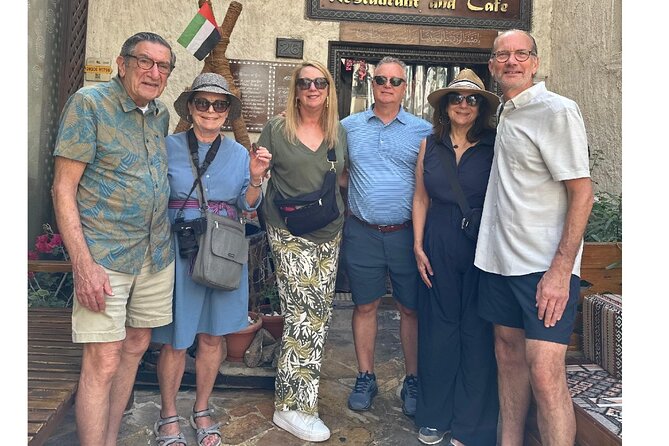
The longest portion of the route is around Al Souk Al Kabir, with about an hour allowed. This area includes courtyards, tea shops, restaurants, art galleries, traditional stone houses, colorful silks, and embroidered cushions.
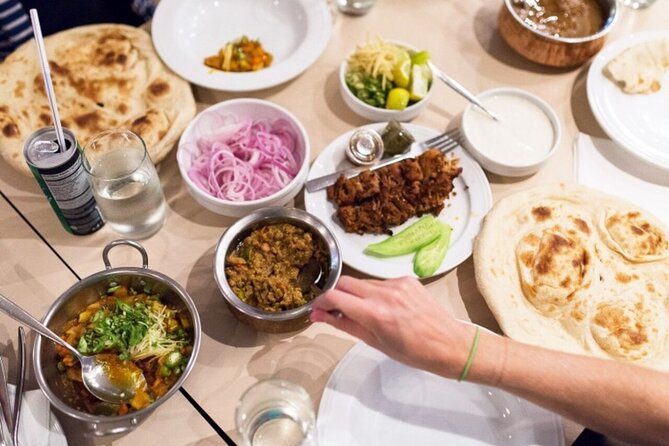
This is where the tour’s food focus has room to breathe. You can expect several tastings rather than one formal meal. The menu includes shawarma, falafel, hummus, Arabic tea, chicken mandi or madhbi, kunafa, luqaimat, and additional drinks or local products.
The exact sequence may vary, but the range is broad. Shawarma and falafel offer familiar street-food entry points. Hummus adds a simple staple often shared with bread. Mandi or madhbi gives you a more substantial rice-and-meat dish, while kunafa and luqaimat bring sweetness at the end.
You may also try Iranian faluda, a secret refreshing juice, dates chocolate, and bottled water. Faluda is a particularly nice inclusion because it adds a Persian influence to a tour otherwise centered on Arabic dishes.
The food quantity matters when judging the price. At $115.83 per person, this is not a cheap snack walk. You are paying for a private guide, several tastings, a boat ride, and a structured route through multiple districts. If you would otherwise eat a full meal and hire a guide separately, the cost becomes easier to justify.
Come hungry. The tasting list is long, and the food is a major part of the value. If you have dietary restrictions, the supplied information does not state how substitutions are handled, so ask before booking.
Crossing Dubai Creek by abra
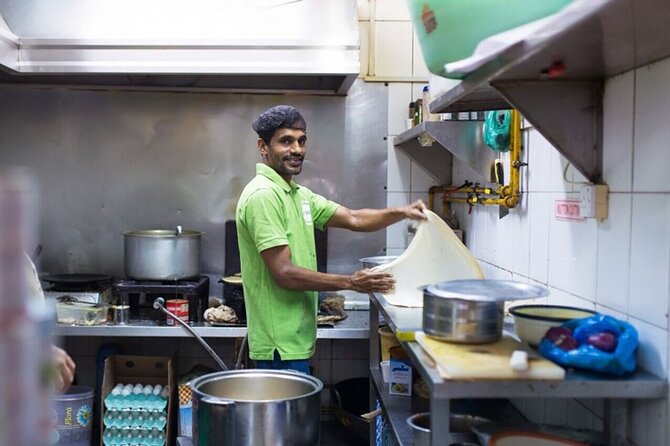
At Bur Dubai Abra Station, you board a traditional abra for the short crossing to Deira. This is one of the simplest and most memorable parts of the experience. The boat links the two sides of Dubai Creek, just as water traffic has long linked the city’s trading districts.
The ride lasts about 10 minutes in the planned schedule. It is not a sightseeing cruise, so keep your expectations practical. You will get a moving view of the creek and a real local transport experience, but not a long commentary cruise or extended time on the water.
This is also a natural break after the walking and food stops in Bur Dubai. You can look back toward the older quarter, watch the creek traffic, and prepare for the markets on the Deira side.
The inclusion of another food tasting during this part of the route makes the crossing more than simple transportation. Iranian faluda, dates chocolate, and a refreshing juice are listed among the treats offered during the creek portion.
The Spice Souk brings the strongest smells
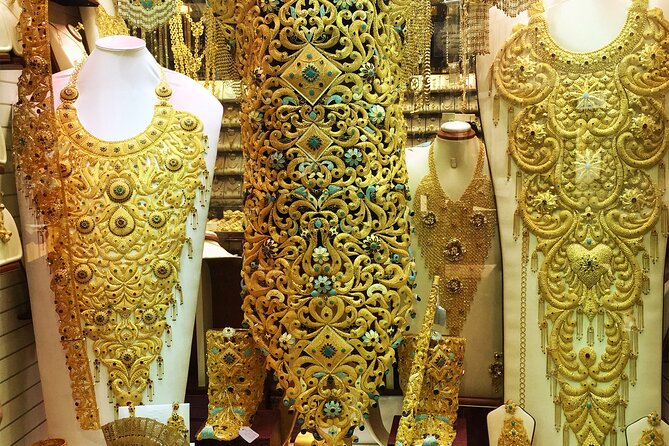
Once you reach Deira, the Spice Souk changes the mood again. The air carries the scent of spices, and shops display ingredients used across regional cooking. The stop is planned for about 20 minutes.
You will have time to see the goods, ask questions, and consider a purchase. As at the Textile Souk, bargaining is part of the process. Do not feel pressured to buy simply because a shopkeeper offers you a sample or explains a product.
This is one of the places where the food tastings and the walking route connect. After trying dishes such as mandi, hummus, or falafel, you can see some of the spices and ingredients that give regional food its character. The guide can also help you understand what you are looking at, rather than leaving you to guess from unfamiliar labels.
The main drawback is time. Twenty minutes passes quickly in a market, especially if you want to compare prices. Treat this as an introduction, then return later if you find something you want to inspect carefully.
The Gold Souk finishes the route with plenty of sparkle

The final listed stop is the Gold Souk, one of the world’s largest gold markets. Shopfronts display jewelry in remarkable quantity, and the area is designed to catch your eye.
You do not need to be shopping for gold to enjoy the visit. The souk is a lesson in Dubai’s long relationship with trade, display, and luxury. If you are considering a purchase, take your time and ask the guide for general advice about prices and bargaining.
The scheduled visit is about 20 minutes, so this is more of a guided introduction than a buying appointment. Since the tour ends at Al Ras Metro Station, you can continue browsing nearby after the formal experience ends.
That ending is practical. You are not dropped back at the starting point in Al Fahidi, so plan your onward route from Deira. Al Ras Metro Station gives you a clear public transport connection, and the Spice Souk and Gold Souk remain close at hand.
Price, pace, and who will enjoy it most
At $115.83 per person, this experience sits well above the cost of simply walking through the souks or taking an abra on your own. The value comes from combining several elements in one private outing: a licensed guide, historical interpretation, a creek crossing, bottled water, and a long list of food and drink tastings.
I would consider it a good fit if you want an efficient introduction to Old Dubai and prefer not to plan every stop yourself. It is also useful on a first visit, when the alleys and markets can feel confusing and you want help understanding what you are seeing.
The private format is important for families, couples, or small groups who want to ask many questions. Group discounts are available, though the exact discount is not stated. Since only your group takes part, the per-person cost may feel more reasonable when shared across several people.
The 38-day advance booking average is worth noting. You do not need to wait that long, but the figure suggests that people often arrange this experience well before their Dubai visit. Confirmation is provided at booking, and the mobile ticket makes the meeting details easy to carry.
You should be comfortable walking for about three hours, standing in markets, and keeping to a fairly active schedule. Most people can participate, and the activity is recommended broadly, but the supplied details do not describe a specific accessibility plan. If mobility support is important, contact the provider before reserving.
The cancellation terms are friendly but firm: cancel at least 24 hours before the start time for a full refund. Cancellations or changes within 24 hours are not accepted for a refund.
Should you book this Dubai food tour?
Book it if you want Old Dubai in one compact outing, with real market streets, a traditional boat ride, historical stops, and enough food to replace a meal. The route is especially useful for first-time visitors and anyone who wants help bargaining or choosing what to taste.
Skip it if you prefer a slow museum visit, long shopping sessions, or a small number of carefully selected dishes. The schedule covers a lot, and some stops are brief. For most people looking for a practical introduction to Dubai’s older neighborhoods, though, the private guide, creek crossing, and generous food selection make this a strong way to begin.
FAQ
How long does the Old Dubai food tour last?
The tour lasts approximately three hours.
Where does the tour begin?
It begins at Arabian Tea House Restaurant & Cafe in Al Fahidi, near the Bastakiya area and opposite the Musalla Post Office.
Where does the tour end?
The tour ends at Al Ras Metro Station on Baniyas Road in Deira.
Is the abra boat ride included?
Yes. A traditional abra ride across Dubai Creek is included, with the crossing scheduled for about 10 minutes.
What food and drinks are included?
Included tastings may include shawarma, kunafa, chicken mandi or madhbi, falafel, hummus, Arabic tea, Iranian faluda, dates chocolate, a refreshing juice, bottled water, and other local food and drinks.
What is the cancellation policy?
You can cancel at least 24 hours before the start time for a full refund. Cancellations or changes made less than 24 hours before the experience are not accepted for a refund.
Newest street food walks around Dubai
- Old Dubai Walk, Souk, Street Foods, Al Fahidi and Al Seef Tales★ 4.0 · 9 reviews
- Discover Old Dubai Town, Souks, Street Food, Culture and History★ 5.0 · 3 reviews
- Private Dubai Street Food Tour .★ 4.5 · 7 reviews
- Original Street Food Tour of Dubai★ 4.5 · 41 reviews
- Dubai Souks, Museum, Street Food Walking Tour with Hotel Transfer★ 4.5 · 7 reviews
- Dubai Street Food Tour★ 5.0 · 5 reviews
- Private Dubai Old Town Tour,street food,Boat & Museums★ 5.0 · 6 reviews
- Old Dubai Guided Tour With Photographer: Souks & Street Food★ 4.9 · 74 reviews
UAE street food tours, side by side.
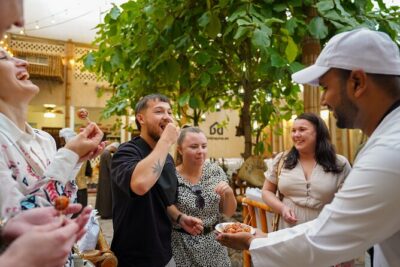
Dubai: Old Town, Creek, Museums, Souks, & Street Food Tour
Read our review →Dubai: Old Town, Souks, Street Food, Guided Tour & Abra Ride
Read our review →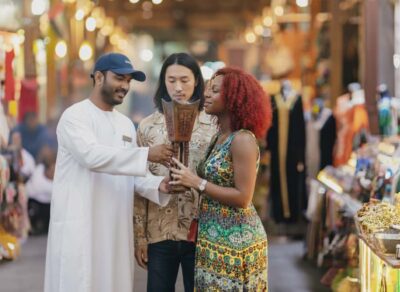
Dubai: Old Town, Street Food, Creek, Souks, & Emirati House
Read our review →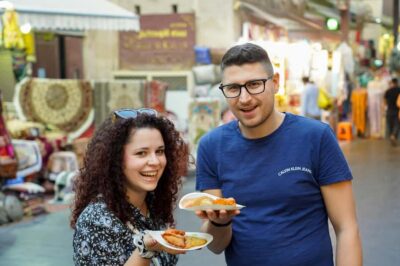
Old Dubai: Premium Guided Tour with Street Food & Abra Ride
Read our review →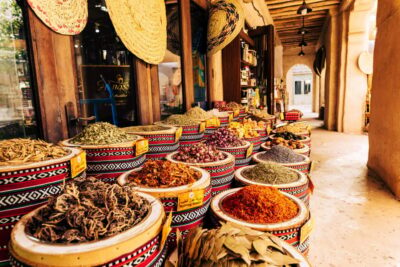
Dubai: Premium Old Town, Street Food, Souks & Boat Ride Tour
Read our review →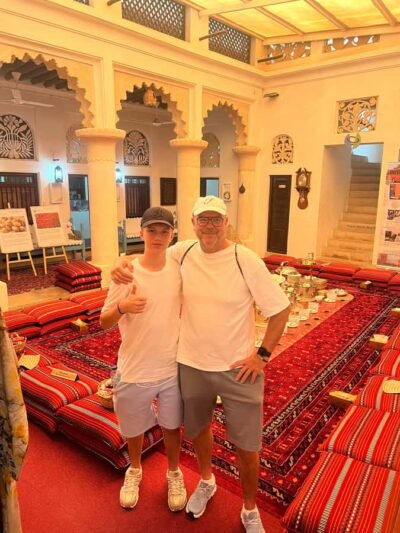
Dubai.Discover Old town,Markets,street food,Abra &Museums
Read our review →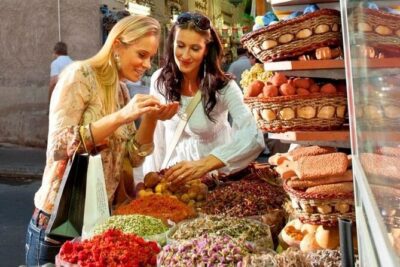
Dubai Old Town, Culture, History, Street food and Souks Tour
Read our review →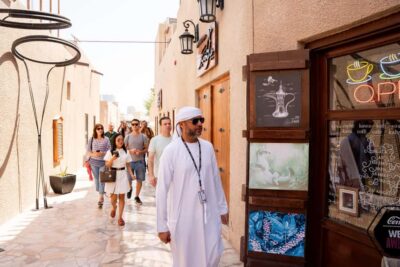
Old Dubai Historic Guided Tour: Creek, Street Food & Souks
Read our review →The lists this tour appears in