
Review · SENEGAL
Senegalese Street Food Tour in Dakar
Dakar’s best introduction to Senegalese food may be a walk through Ngor Village, where a plate of fish thieboudienne, a fried fataya, and a glass of baobab juice tell you more about daily life than a formal restaurant meal. Relish Africa’s two-hour tour moves between street vendors, small eateries, and a traditional dibiterie, with food served as you go.
I like the five-course format, which gives you several chances to try unfamiliar dishes without committing to one large meal. I also like the small group limit of 12 and the personal touch offered by guide Pape, who has been praised for taking extra care with guests and helping them get the most from their first day in Dakar.
The main drawback is that the cultural explanation may not always match the quality of the food. If you want detailed discussion of fishing, sourcing, and the history behind each recipe, ask questions as you walk. The tour has room to provide more context than some guides may offer on a busy afternoon.
Key points to know before booking
- Five-course tasting walk: Expect thieboudienne, yassa, fataya, dibiterie meat, local drinks, and other Senegalese specialties.
- Ngor at 1 p.m.: The tour starts at Bouchon lyonnais, Paul et Nicole, and ends at the same meeting point after about two hours.
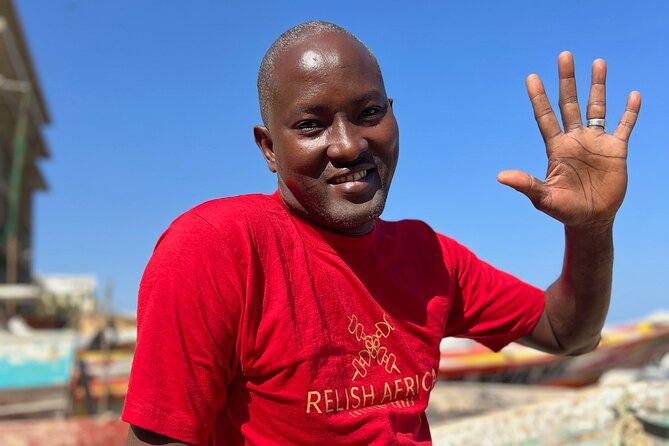
- Pape may guide your visit: His friendly, attentive approach has earned especially strong praise, including for helping guests beyond the food stops.
- A small group setting: The maximum group size is 12, which should make it easier to ask questions and keep up during the walk.
- Drinks are part of the meal: Bottled water, local beverages, coffee, and tea are included. Alcohol is not.
- Free cancellation deadline: Cancel at least 24 hours before the start time for a full refund.
Starting with Senegalese food in Ngor
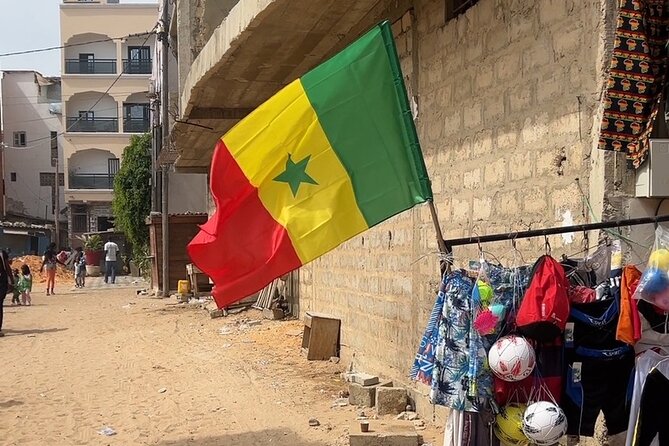
Ngor is a useful setting for a first taste of Dakar. The tour takes place in Ngor Village, including the beach area, so the meal is tied to a real neighborhood rather than a single dining room. You walk from stop to stop, seeing the places where food is prepared and sold during the ordinary rhythm of the day.
Your meeting point is Bouchon lyonnais, Paul et Nicole, at the Ngor ferry embarkation point in Dakar. The start time is 1 p.m., and the tour returns here when the two hours are over. That fixed start makes the outing easy to fit into a day of sightseeing, though you should allow time to arrive before the group sets off.
The food offerings can change. That is useful if you prefer a living food walk over a rigid tasting menu, but it also means you should not expect every bite to follow a precise script. The published sample menu gives you a clear idea of the style: dibiterie, fataya, yassa, local beverages, and thieboudienne, with additional tastes along the way.
More street food walks around the world:
- Dubai: Old Town, Creek, Museums, Souks, & Street Food Tour
★ 4.8 · 10,816 reviews - Ho Chi Minh City Street Food Tour & Sightseeing By Motorbike
★ 5.0 · 9,413 reviews - Medellin: Comuna 13 Graffiti Tour, Cable Car & Street Food
★ 4.8 · 9,046 reviews
Thieboudienne, Senegal’s national dish
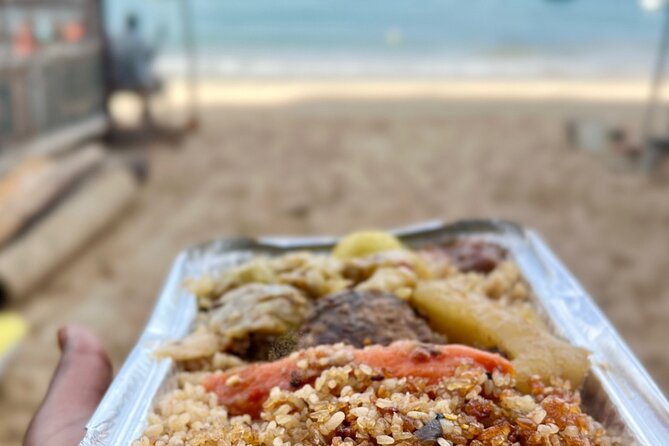
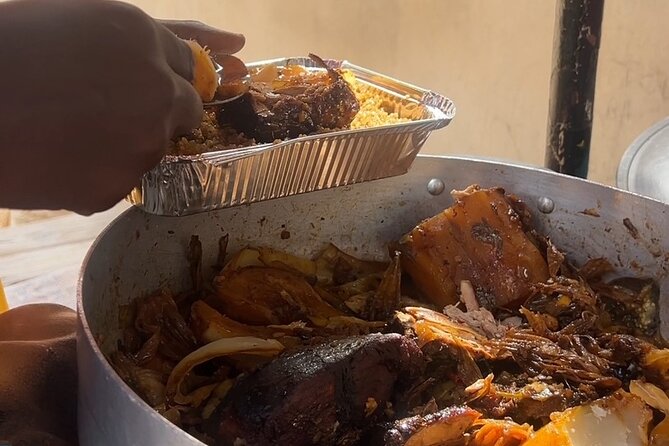
The centerpiece is fish thieboudienne, commonly regarded as Senegal’s national dish. You are served it at a small local place rather than simply hearing about it in a lecture, which gives the meal a practical sense of place.
Thieboudienne brings together fish, rice, and vegetables in a dish that reflects Senegal’s coastal food culture. The tour description does not promise a particular fish or preparation on every date, so it is sensible to ask Pape what you are eating and where it came from. That simple question can open the door to a better discussion of Dakar’s fishing communities and the role of seafood in local cooking.
This is also where the tour’s limitation becomes clear. The food itself is central, but the quality of the cultural explanation depends on how much your guide shares and how actively you ask. I would come prepared with questions about fishing, market shopping, spices, and how thieboudienne differs from the versions served outside Senegal.
For many people, this dish alone makes the tour worthwhile. It gives you a reference point for later meals in Dakar, and it helps you recognize one of the country’s most important everyday foods.
Fataya, yassa, and the street-food stops
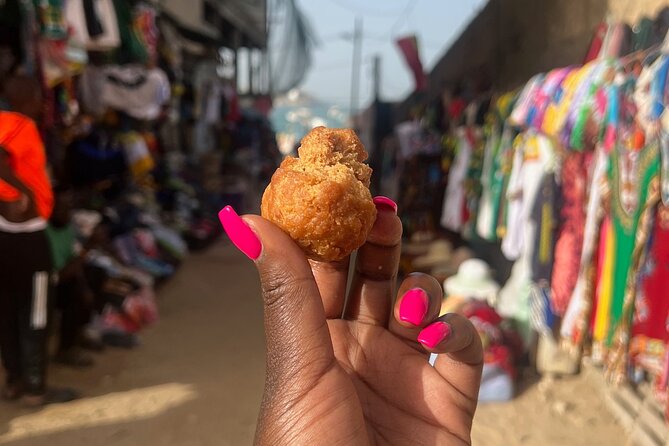
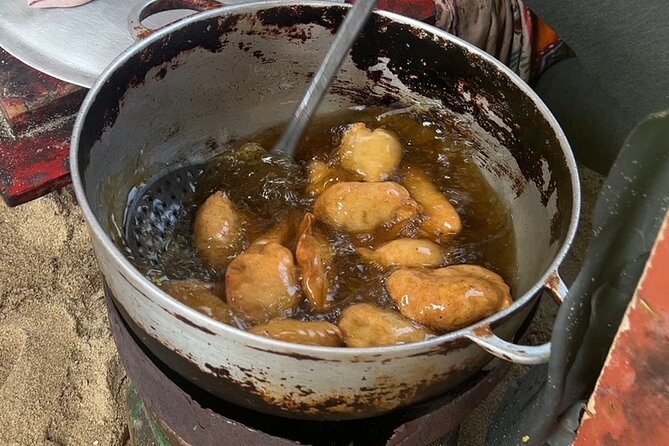
The next tastes move away from a full rice dish and toward smaller, hand-held foods. Fataya is a savory fried pastry, described here as an appealing meat pie. It is the sort of snack that works well on a walking tour because you can eat it while moving between stops.
You may also try yassa, a dish known for its onion-based flavor and often served with meat or fish. The supplied menu names yassa but does not specify the exact version offered on your visit, so ask before tasting if you want to know whether it contains fish, chicken, or another ingredient.
These smaller servings matter. A two-hour food walk can become uncomfortable if every stop serves a full plate. Here, the mix of pastries, main dishes, grilled meat, and drinks should give you variety without turning the whole afternoon into one long restaurant meal. Still, come hungry. Lunch is included, and the stops add up.
The changing food selection is part of the charm, but it also means this is not the right choice if you need a guaranteed list of exact dishes. The sample menu is a guide, not a promise of identical offerings each day.
The smoky appeal of a traditional dibiterie
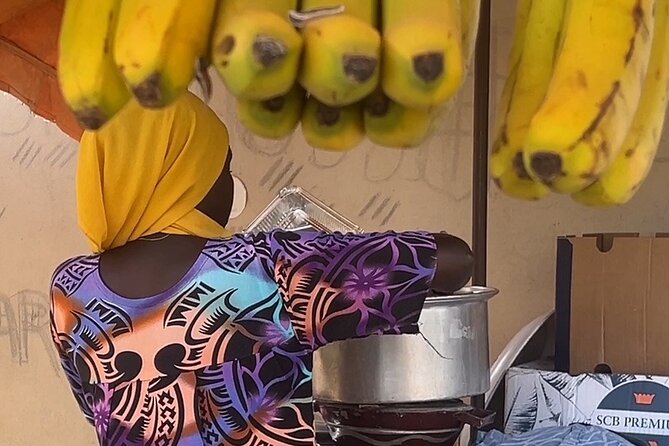
A visit to a dibiterie adds a different note to the walk. These traditional meat shops are associated with grilled meat, and the aroma is often as important as the first bite. You can expect this stop to feel less like a polished restaurant and more like a working food business built around fire, meat, and quick service.
The included menu specifically names dibiterie, so this is not an optional extra. It gives you a chance to compare grilled meat with the saucier dishes served elsewhere on the route. Ask Pape what cut you are eating and how it is seasoned. The available information does not specify the meat, cooking method, or side dishes, and those details may vary.
I like this part of the tour because it broadens your idea of Senegalese food. A country’s cooking is not only its famous national dish. It is also the food people buy for lunch, share with friends, or pick up from a neighborhood grill.
If you are sensitive to strong cooking smells or prefer quiet sit-down meals, this may feel more basic than the other stops. That is part of the point, but it is worth knowing before you book.
Same streets, a different set of bites:
- Dubai: Old Town, Souks, Street Food, Guided Tour & Abra Ride
★ 4.9 · 7,170 reviews - Naples: Street Food Walking Tour with Local Guide
★ 4.9 · 4,976 reviews - Small Group Hanoi Street Food Tour with a Real Foodie
★ 5.0 · 4,682 reviews - Rome: Street Food Tour with Local Guide
★ 4.8 · 4,077 reviews
Bissap cocktails and baobab juice
The drinks give the walk a welcome change of pace. You may taste a bissap-based cocktail, along with freshly squeezed baobab juice. Bissap is made from hibiscus and is a familiar Senegalese drink, while baobab juice offers a regional flavor that many first-time visitors will not know.
The tour also includes local beverages, bottled water, coffee, and tea. Alcoholic drinks are not included, so you should not book this as a cocktail tour in the nightlife sense. The reference to a bissap cocktail concerns a local non-alcoholic style of drink unless your guide tells you otherwise.
Baobab juice is especially useful as a food lesson because it connects the drink to a local ingredient rather than presenting you with another bottled refreshment. Ask how it is prepared and how it is usually served. The tour details do not give a recipe, so the guide is your best source for that information.
Bottled water is included, which is a small but practical benefit during a walking outing that begins at 1 p.m. You will appreciate having a drink available between savory stops, especially if the afternoon is warm.
A sweet ending and a local rhythm
The walk finishes with a sweet treat enjoyed by both younger and older people in Senegal. The exact dessert is not named, so you should think of this as a final local taste rather than a guaranteed specialty with a fixed name.
That uncertainty is worth keeping in mind. If you have allergies or strict dietary needs, ask Pape about the ingredients before eating. The available details do not list dietary substitutions or allergen information.
The final stop also gives the meal a natural shape. You begin with snacks and a national dish, move through grilled meat and drinks, and end with something sweet. In only two hours, the route introduces several parts of Senegalese eating culture without pretending to cover the entire country.
The most valuable part may be the connection between food and place. You are not only sampling recipes. You are walking through Ngor, passing the beach, and eating in the same kind of neighborhood setting where local food is prepared and sold.
What Pape adds to the experience
Pape is the guide name most closely associated with this experience. His strongest quality appears to be personal attention. He has been praised for being prompt, friendly, and willing to go beyond the basic route, including escorting a guest to other places and helping them find good food in Dakar.
That kind of guide can make a short tour feel much more useful. If this is your first day in Dakar, Pape can help you get your bearings around food, neighborhoods, and local dining habits. One person described the outing as a strong introduction to Senegalese cuisine, which is exactly where this tour is likely to work best.
You should still take an active role. Ask what you are eating, how it is cooked, where ingredients come from, and how the dish fits into Senegalese daily life. A previous guest wanted more detail about food sources and the fishing economy, and that is a fair expectation on a food tour. The provider has indicated that cultural explanation is an area it wants to emphasize more consistently.
So, treat Pape as a guide you can engage, not as a lecturer delivering a long prepared talk. The experience appears strongest when the conversation develops around the food in front of you.
Is $115 a fair price?
At $115 per person, this is not a cheap lunch. The value depends on what you want from the afternoon.
You are paying for more than the food itself. The price includes an experienced guide, lunch tastings, bottled water, coffee or tea, and a planned walk through Ngor. It also removes much of the guesswork that can make a first food outing in Dakar feel awkward. You do not need to choose an unfamiliar restaurant, work out how several dishes fit together, or manage the route alone.
The two-hour length keeps the commitment modest. If you want a quick introduction before exploring Dakar independently, the price may make sense. If your main goal is simply to eat a large meal, you could likely find a less expensive option by dining on your own, though you would lose the guided context and several different stops.
The small group limit of 12 helps support the price. It is not a private tour, but it is small enough that you should have a reasonable chance to hear the guide and ask questions. The actual value will depend on the number of tastings served and the depth of the guiding on your date, since the food varies.
I would see this as an orientation tour rather than a bargain meal. Book it early in your Dakar stay, then use what you learn to choose later meals with more confidence.
Timing, group size, and practical details
The tour starts at 1 p.m. and lasts about two hours. It ends back at the meeting point, which makes onward planning simpler than a walk that finishes in another part of Dakar.
The start point is near public transportation, and confirmation is provided when you book. A mobile ticket is accepted, so keep the booking available on your phone. The maximum group size is 12.
Most people can participate, and service animals are allowed. The available details do not describe the walking surface, the number of stairs, or specific arrangements for mobility devices, so contact the provider if you need those details before booking.
Alcohol is not included. Lunch, local drinks, bottled water, coffee, and tea are included. Since food options can vary, tell the provider about important dietary concerns before the tour if possible, and ask about individual ingredients at each stop.
Free cancellation is available up to 24 hours before the local start time for a full refund. Changes or cancellations made inside that 24-hour window are not accepted for a refund. The experience also requires a minimum number of people, so if the provider cancels for that reason, you will be offered another date or experience, or receive a full refund.
Who should book this Ngor food walk?
I would recommend it most strongly for first-time visitors to Dakar who want a quick, guided start. The mix of thieboudienne, yassa, fataya, grilled meat, local drinks, and a sweet finish gives you a useful food map in a short period.
It also suits solo visitors and couples who want a social meal without joining a huge group. Pape’s personal approach may be especially helpful if you are arriving in Dakar and want practical help beyond the planned tastings.
Food-focused visitors should book with realistic expectations. You will get variety and access to neighborhood eating places, but the tour is not presented as a long academic lesson on Senegalese agriculture, fishing, or culinary history. Ask direct questions if that background matters to you.
I would think twice if you need a fixed menu, a private group, or a luxury dining setting. The food is the attraction, but the setting is informal and the offerings can change.
Should you book the Senegalese Street Food Tour in Dakar?
Book it if you want an efficient first taste of Dakar, especially during your first day or two in the city. The combination of Ngor Village, beach-side walking, national dishes, grilled meat, local drinks, and a small group gives you a useful introduction without taking up a full day.
The strongest reason to book is the chance to have Pape guide you through several kinds of Senegalese food in one outing. The main reason to hesitate is the uneven amount of cultural detail. If you want more than food, make your questions part of the tour.
At $115, this is best viewed as a guided orientation with lunch rather than a low-cost meal. For someone who values local food, a manageable two-hour route, and help getting started in Dakar, it is a sensible choice. For someone focused only on price or a guaranteed menu, eating independently may be the better call.
FAQ
Where does the tour start?
The tour starts at Bouchon lyonnais, Paul et Nicole, at the Ngor ferry embarkation point in Dakar.
What time does the tour begin?
The tour begins at 1 p.m.
How long does the food tour last?
The tour lasts approximately two hours.
Where does the tour end?
The tour ends back at the meeting point.
How much does the tour cost?
The listed price is $115 per person.
What food is included?
Lunch tastings include dibiterie, fataya, yassa, thieboudienne, local beverages, and other foods. The exact offerings can vary.
Are drinks included?
Yes. Bottled water, local beverages, coffee, and tea are included.
Is alcohol included?
No. Alcoholic beverages are not included.
How many people can join the tour?
The maximum group size is 12 people.
Can I cancel for a full refund?
Yes. You can cancel at least 24 hours before the local start time for a full refund. Cancellations or changes made less than 24 hours before the start time are not accepted for a refund.
Newest street food walks around the world
- Old Delhi Cultural, Temples, Heritage Walking Street Food Tour★ 5.0 · 57 reviews
- Old and New Delhi Street Food Sampling★ 5.0 · 3 reviews
- Old Delhi Tour by Tuk-Tuk Street Food and Shopping Experience★ 5.0 · 12 reviews
- Customized Half Day and Full Day Delhi Shopping, Street Food Tour★ 5.0 · 52 reviews
- Delhi: Street Food Crawl (2 Hours Guided Food Tasting Tour)★ 3.5 · 18 reviews
- Spice & Stories: 3-Hour Old Delhi Heritage Food Walk Guided Tour★ 4.5 · 36 reviews
- Old Delhi Street Food and Spice Market Tour★ 5.0 · 81 reviews
- Taste Famous & Best Street Food of Old Delhi (Jama Masjid)★ 3.0 · 2 reviews