
Review · BARCELONA
Barcelona Street Food Tour: Boqueria Market & Barrio Gotico
Barcelona’s best food lesson may begin with a slice of ham. This 2.5-hour walk takes you from Miró’s mosaic outside Liceu metro into La Boqueria Market, then through the Gothic Quarter and El Born, pairing small bites with stories about Catalan cooking and the city’s many outside influences.
I like the route’s mix of market color and old-city streets, and I like that it includes several kinds of food rather than building the whole tour around one famous dish. The main consideration is that drinks are not included, and the exact stops and portions are not specified, so you should book this for guided tasting and local context, not a full lunch.
Key points at a glance
- Start at Miró’s mosaic: Meet outside Liceu metro, where the floor mosaic gives you a clear city-center landmark.
- Taste Jamón Ibérico at La Boqueria: Spain’s prized aged ham is one of the tour’s main food moments.
- Walk through three central areas: The route links La Boqueria, Barrio Gótico, and El Born.
- Try more than ham: Expect Catalan appetizers, Spanish cheeses, street food specialties, and a pastry finish.
- Learn while you eat: An English-speaking local guide explains Catalan food and Barcelona’s multicultural influences.
- Budget extra for drinks: The $50 price covers the tour and food samples, but not beverages.
Starting by Miró’s mosaic near Liceu
The meeting point is easy to identify once you know what to look for: Miró’s mosaic on the pavement just outside the Liceu metro station. Search for Miró’s mosaic on Google before setting out so you can recognize the colorful floor artwork and avoid wandering along La Rambla looking for a conventional shop or office.
This is a useful starting point for a walking food tour. Liceu puts you right in the center of Barcelona, close to La Boqueria and the old neighborhoods that follow. You will not be boarding a bus or moving between distant parts of the city. The experience is built around walking, looking, tasting, and listening.
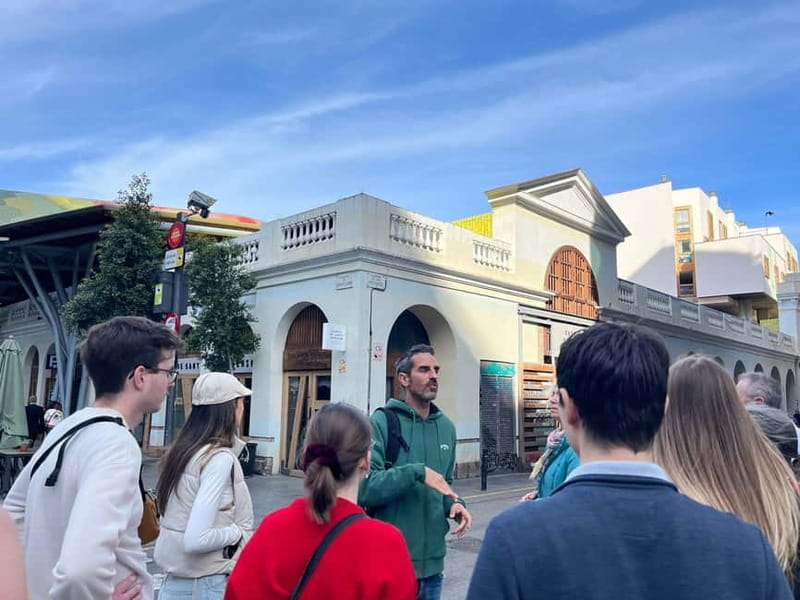
The tour is offered in English with a live local guide. No guide name is provided, so you should not expect to request a particular person when booking. What matters more here is the guide’s role: explaining what you are tasting, pointing out details in the streets, and connecting food to Barcelona’s past and present.
Wear comfortable shoes. You will be on your feet for 2.5 hours, and the streets and market floors are part of the experience. Bring an appetite, but remember that the food is served as a series of samples rather than described as a complete sit-down meal.
More street food walks around Spain:
- Madrid: Street Food Walking Tour in the Plaza Mayor Area
★ 5.0 · 119 reviews - Food Market Shopping and Cooking Workshop in A Coruña
★ 5.0 · 89 reviews - Barcelona: Street Food & Sightseeing Tour with Local Market
★ 4.9 · 84 reviews
La Boqueria, Barcelona’s great food classroom
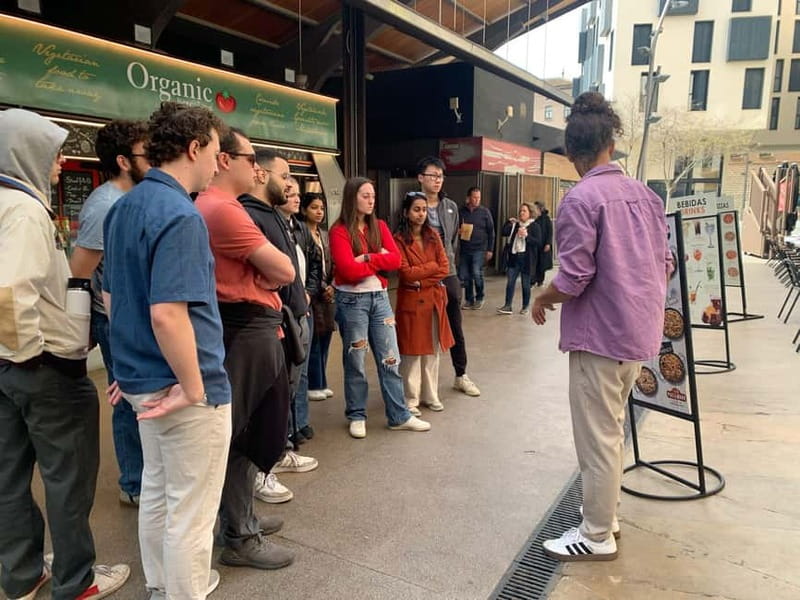
La Boqueria is the natural centerpiece of this route. The market is known for its strong colors, fresh ingredients, aromas, and busy aisles. Even before the first tasting, you get a quick lesson in how food functions in Barcelona: not just as fuel, but as something displayed, discussed, bought, and shared.
A guide makes the market easier to read. On your own, you might notice hanging ham legs, fruit, seafood, cheeses, and prepared foods without knowing how they fit into Catalan eating habits. With a guide, those displays become part of a larger explanation of local cooking and the way Barcelona’s food culture has absorbed influences from many places.
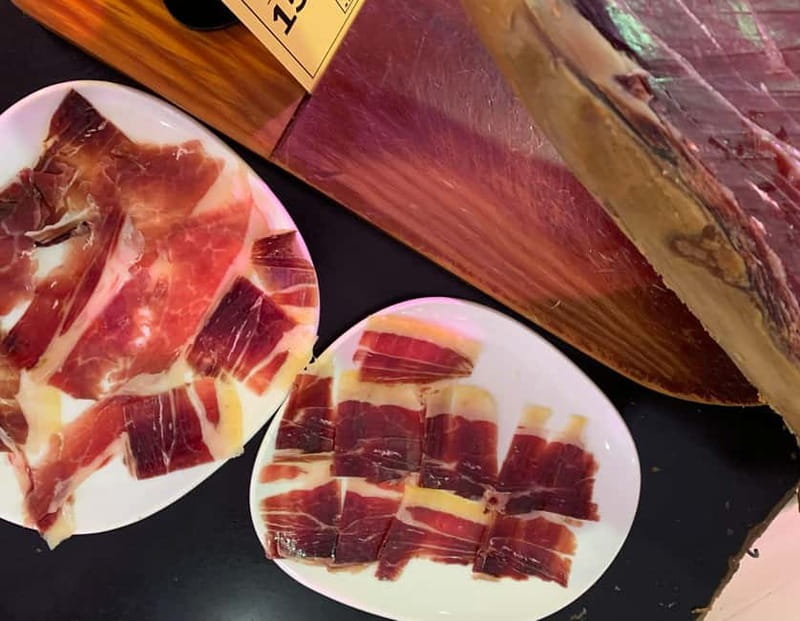
The featured taste is Jamón Ibérico, Spain’s famous cured ham. It is prized for its deep flavor and soft texture, and a small portion can be more revealing than a large plate of ordinary ham. Pay attention to the aroma, salt, and buttery feel as you eat it slowly. This is not a food to rush.
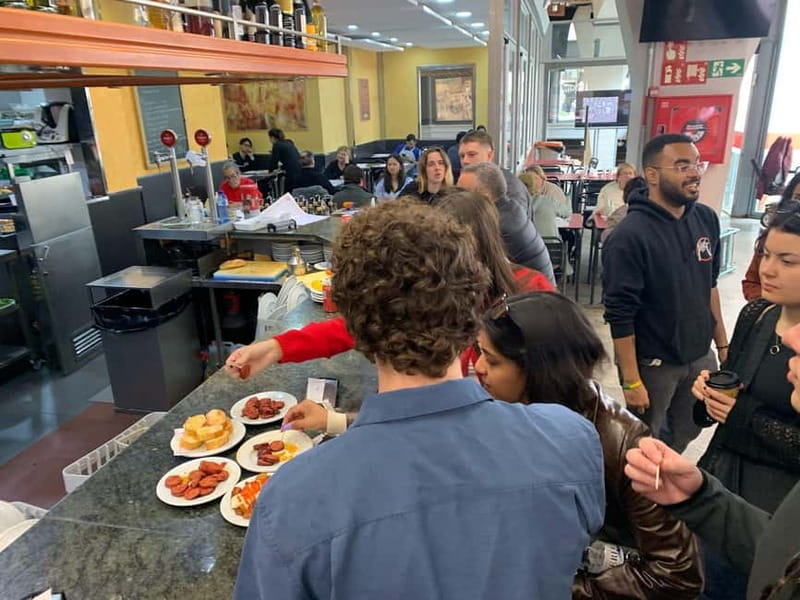
The tour also includes traditional Catalan appetizers. The information provided does not name every appetizer, so I would not promise a particular dish. That flexibility can be useful in a market, where available products and prepared foods may change. It also means you should tell the guide about dietary limits as early as possible, though no specific substitutions are promised.
La Boqueria can be stimulating. There are people moving through narrow spaces, plenty to look at, and many competing smells. If you prefer quiet restaurants and measured courses, this portion may feel hectic. If you enjoy seeing food in its working setting, the market is likely to be one of the most rewarding parts of the walk.
From Catalan appetizers to Spanish cheese
After the market, the tour continues through the city streets with several food stops. The idea is variety: you move from cured products to appetizers, then to cheese and other street food specialties. That makes the experience more useful than a single tasting focused only on Jamón Ibérico.
The Spanish cheeses are described as aged and full of character. You may find sharper, saltier, or firmer flavors than you expect from young table cheese. A tasting like this gives you a chance to compare texture and age, while the guide provides the cultural setting that a supermarket purchase would lack.
The tour also includes a beloved coastal specialty, but the specific food is not identified in the available details. I would treat this as an extra tasting rather than plan your day around a named dish. The honest advantage is variety. The honest limitation is that you cannot know the full menu in advance.
This part of the walk is where the $50 cost needs a little thought. You are paying for food, but also for the guide’s explanations, the route through three central districts, and the convenience of having several tastes arranged in one outing. If you only want to buy a few snacks, you can spend less on your own. If you want a guided introduction and do not know where to begin, the price can make sense.
Drinks are not included. That is a small but important detail. Carry water, or plan to pay separately for anything you order along the way. Since the tour lasts 2.5 hours, a drink may be useful, especially if you are walking in warm weather.
Barrio Gótico, where the food walk becomes a city walk
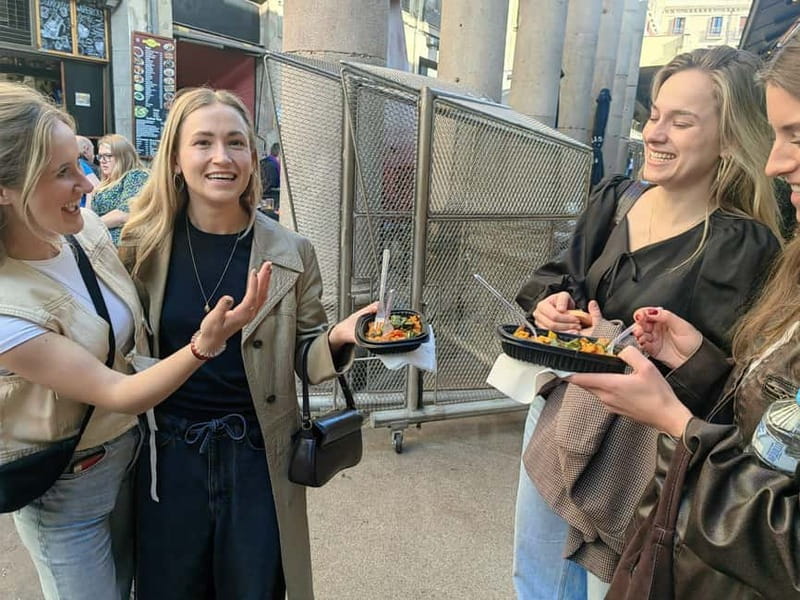
The Gothic Quarter adds a different mood to the experience. Its narrow streets and medieval character give the guide a chance to explain Barcelona beyond its food stalls. Here, the route is not simply about what goes into your mouth. It is also about how the city grew, changed, and welcomed different cultural influences.
The tour description emphasizes Barcelona’s mix of traditional Catalan specialties and a newer street food scene shaped by the diversity of its people. That is a worthwhile subject because Catalan cuisine is not frozen in time. Local dishes exist alongside foods and habits brought by communities from elsewhere.
A food tour can make the Gothic Quarter easier to understand because you move through it with a practical purpose. You are not only checking off a famous neighborhood. You are seeing how shops, markets, streets, and eating habits fit together. The guide’s comments are meant to connect those pieces.
The route finishes in the heart of the Gothic Quarter. That gives you a useful end point for the rest of your day. You can continue exploring the old center, find a café, or simply stop walking for a while. The tour does not include transportation back to your hotel, so plan your next step from the Gothic Quarter.
Same streets, a different set of bites:
- Madrid Street Food Walking Tour in the Plaza Mayor Area
★ 5.0 · 75 reviews - Tasty Barcelona Street Food Tour With Local Market Visit
★ 4.5 · 24 reviews - Barcelona: Boqueria Market & Barrio Gotico Street Food Tour
★ 5.0 · 12 reviews - Barcelona Food Markets Private Tour with Tastings
★ 5.0 · 8 reviews
El Born and Barcelona’s changing food culture
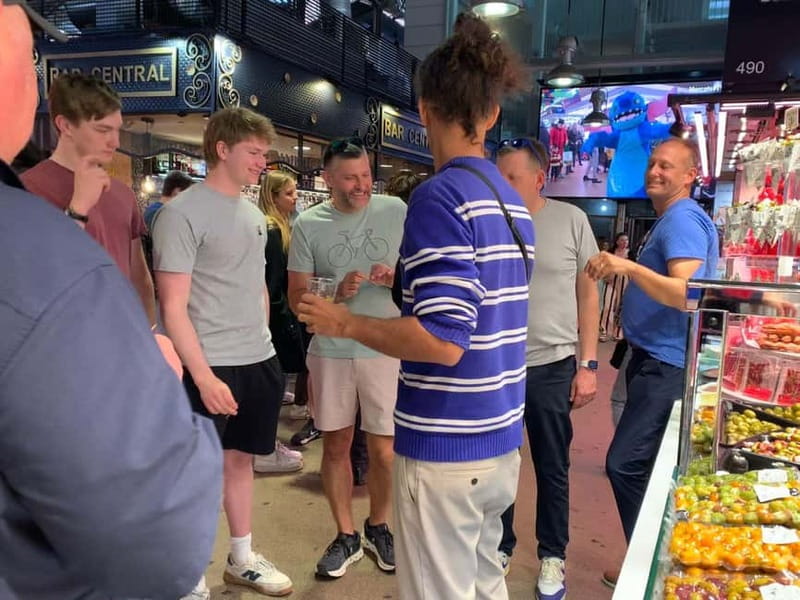
The route also visits El Born, another historic central district. The information provided does not list a separate tasting or landmark for every neighborhood, so I would see El Born as part of the broader walk rather than expect a formal stop with a set menu.
Its role is still important. Moving through La Boqueria, Barrio Gótico, and El Born gives you a wider sense of central Barcelona than staying in one market. You see how food, history, and daily life continue across neighboring districts, even as the streets and atmosphere change.
The guide’s discussion of multicultural influences is especially useful here. Barcelona’s food scene includes old Catalan methods, Spanish products, and modern street food shaped by the city’s varied population. You do not need a lecture to understand that. A few well-timed explanations, paired with actual food, can make the idea clear.
I would keep your schedule flexible after the tour. The route covers several areas on foot, and the finish time may depend on the pace of the group and the time spent at each tasting. The stated duration is 2.5 hours, but you should avoid booking a train, timed museum entry, or other fixed appointment immediately afterward.
Pastries make a sensible final stop
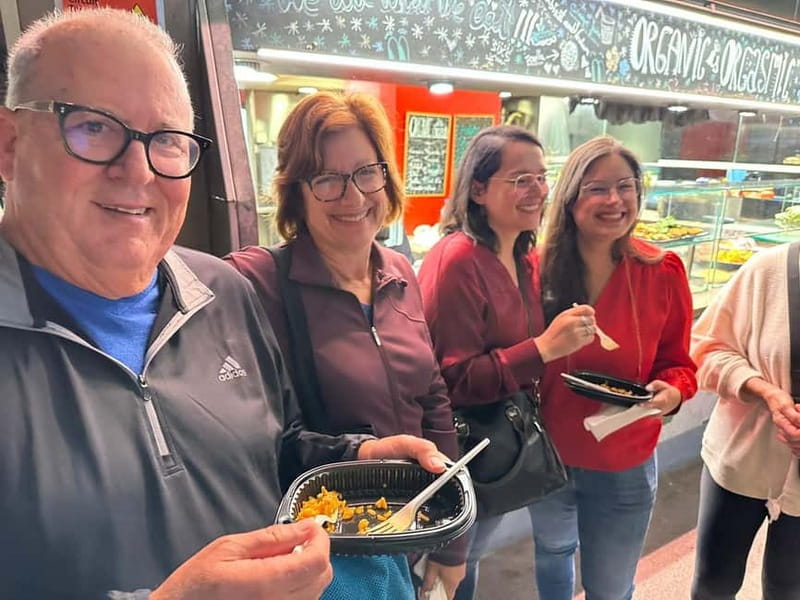
The sweet ending is one of the more appealing parts of the plan. The tour may include a flaky ensaimada, a sugary churro, or creamy crema catalana. These are not interchangeable: one is pastry, one is fried and coated with sugar, and one is a custard-style dessert associated with Catalan cooking.
Ending with sweets gives the route a clean shape. You begin with savory market foods, continue through cheeses and street specialties, and finish with pastry. You also get a chance to notice how different textures and levels of sweetness affect the meal.
The wording suggests that the exact pastry may vary. That is worth remembering if you have your heart set on crema catalana or churros. You might receive one of the named options, but the available details do not guarantee a specific dessert.
For me, this is also a good reason not to eat a large meal before meeting the guide. The tour promises several samples, and you will enjoy the progression more if you arrive hungry but not desperate. It is best treated as a substantial tasting walk, with the option of having a later meal if you need one.
What the $50 price really covers
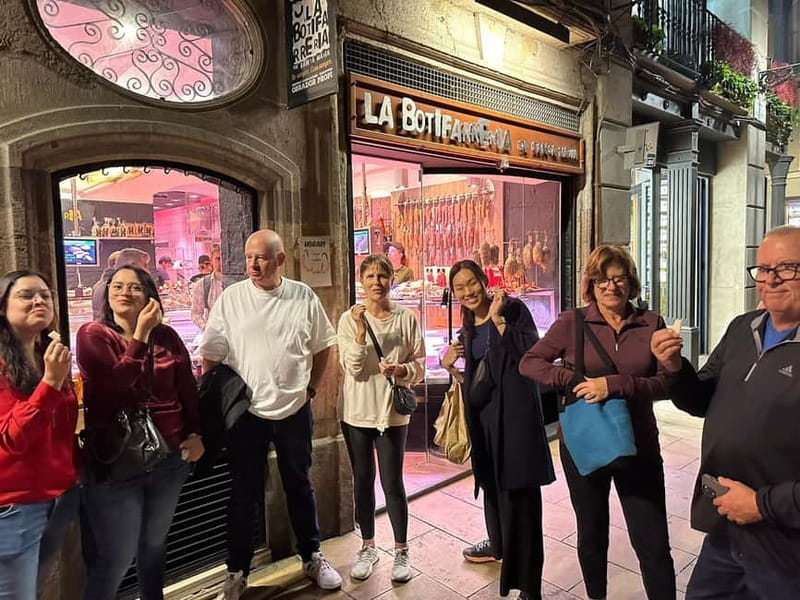
At $50 per person, the tour sits in the middle range for a short guided food experience. The value depends on what you want from it.
You are paying for:
- A 2.5-hour guided walk
- An English-speaking local guide
- Food samples from traditional Catalan and Spanish cooking
- A route through La Boqueria, Barrio Gótico, and El Born
- Explanations about Barcelona’s food and cultural influences
You are not paying for drinks, a full restaurant meal, transportation, or a guaranteed list of named dishes. The exact portion sizes and group size are also not provided. Those gaps matter if you are comparing this with a formal food tour that advertises a fixed menu.
I would book it if you value orientation as much as eating. On your first days in Barcelona, the route can help you understand the center and give you ideas for later meals. I would skip it if your main goal is a long, generous lunch or a carefully controlled menu.
The flexible booking terms are useful for a city break. You can reserve now and pay later, and cancellation is free up to 24 hours before the start time for a full refund. Check the available starting times when you choose your date, since the duration is fixed but the departure time is not listed here.
Who will get the most from this walk
This tour suits first-time visitors who want a quick introduction to Barcelona’s central districts and food traditions. It also works well for anyone who likes to sample many things without choosing every stall or dish alone.
I would particularly consider it for:
- Couples who want a shared food activity with plenty of walking
- Small groups looking for an easy introduction to Catalan flavors
- Solo visitors who prefer a guide while exploring the market and old city
- Food-minded visitors who want to compare ham, cheese, appetizers, street food, and sweets
- People with a spare morning or afternoon in central Barcelona
It may be less suitable for anyone who cannot walk comfortably for 2.5 hours. Comfortable shoes are specifically recommended, and the route takes place in streets and markets rather than in one seated venue.
It is also not the best choice for strict dietary needs unless you confirm options before booking. Traditional food samples may include ingredients you avoid, and the provided information does not promise vegetarian, vegan, gluten-free, or allergy-friendly alternatives.
My practical verdict on Barcelona’s market-to-Gothic-Quarter route
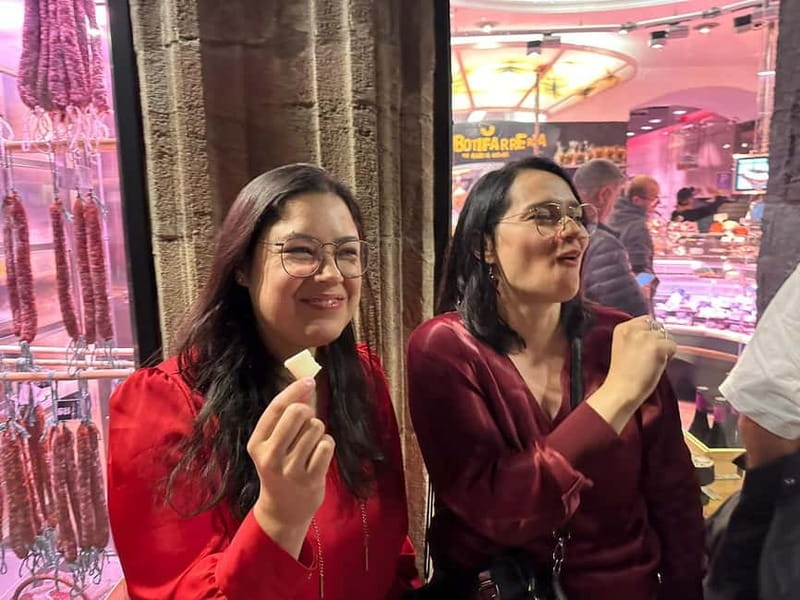
I like the simple logic of this experience: meet near Liceu, taste your way through La Boqueria, walk through the old center, visit El Born, and finish with pastry in the Gothic Quarter. It gives you food, orientation, and a useful first look at central Barcelona in one outing.
The strongest feature is the combination of Jamón Ibérico, market atmosphere, and neighborhood history. The main weakness is uncertainty around the exact menu, drink costs, portions, and group size. You should book with realistic expectations: this is a guided tasting walk, not a full culinary feast.
Should you book this Barcelona street food tour?
Book it if you want a friendly English-language introduction to Catalan food and central Barcelona, especially during your first days in the city. The $50 price is fair when you value the guide and the range of stops, and the free cancellation up to 24 hours before departure reduces the risk.
Skip it if you need a guaranteed menu, a quiet seated meal, or included drinks. For everyone else, bring comfortable shoes, leave room for several samples, and meet at Miró’s mosaic with enough time to get your bearings.
FAQ
Where does the Barcelona street food tour meet?
Meet by Miró’s mosaic on the floor just outside the Liceu metro station. You can search for Miró’s mosaic on Google to see what the meeting point looks like.
How long does the tour last?
The tour lasts 2.5 hours.
What language is the tour offered in?
The tour is offered in English with a live local guide.
Which Barcelona neighborhoods does the tour visit?
The route includes La Boqueria Market, Barrio Gótico, and El Born.
Is La Boqueria Market included?
Yes. Visiting La Boqueria Market is part of the 2.5-hour walking tour.
What food is included?
The tour includes samples of traditional Catalan food, including Jamón Ibérico, Catalan appetizers, Spanish cheeses, street food specialties, and pastries. The exact items may vary among the examples provided.
Are drinks included?
No. Drinks are not included in the tour price.
How much does the tour cost?
The listed price is $50 per person.
What should I bring?
Bring comfortable shoes and an appetite. You should also be ready to walk through city streets and market areas.
Can I cancel for a full refund?
Yes. You can cancel up to 24 hours in advance for a full refund. You can also reserve now and pay later.
Newest street food walks around Spain
- Madrid Street Food Walking Tour in the Plaza Mayor Area★ 5.0 · 75 reviews
- Palma de Mallorca Street Food Tour With A Local Guide★ 3.5 · 2 reviews
- Food Market Shopping and Cooking Workshop in A Coruña★ 5.0 · 89 reviews
- Barcelona Street Food Tour with Local Market & City Center Visit★ 4.5 · 7 reviews
- Palma de Mallorca : Best Street Food Tour With A Local Guide★ 5.0 · 5 reviews
- Barcelona: Local Market & Street Food Walking Tour★ 4.9 · 6 reviews
- Alicante: Best Street Food Tour With A Local Guide★ 3.7 · 4 reviews
- Barcelona Food Markets Private Tour with Tastings★ 5.0 · 8 reviews
Barcelona street food tours, side by side.
Barcelona: Street Food & Sightseeing Tour with Local Market
Read our review →
Tasty Barcelona Street Food Tour With Local Market Visit
Read our review →
Barcelona: Boqueria Market & Barrio Gotico Street Food Tour
Read our review →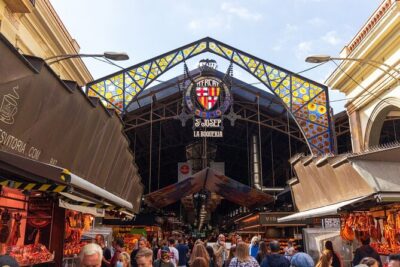
Barcelona Food Markets Private Tour with Tastings
Read our review →
Barcelona Street Food Tour with Local Market & City Center Visit
Read our review →The lists this tour appears in