

Review · GEORGIA
Tbilisi: Street Food & Sightseeing Tour with Local Markets
Tbilisi’s best food lesson may begin with a market stall, not a restaurant table. This tour takes you through Dezerter Bazaar, then on to a local restaurant and a modern food hall, so you can taste everyday Georgian food while seeing how the city changes from old market lanes to a newer urban center. I especially like the four types of khinkali and the chance to try homemade wine, sauces, spices and sweets in one outing.
I also like the personal touch. Guides including Camilla, Giorgi and George have taken visitors through food, street art, vintage shops and city history, with hotel pickup and drop-off included. The main drawback is the walking and food load: the tour is not suitable for children under 12, wheelchair users, people with food allergies or people over 75, and you should arrive hungry.
Key points to know before booking
- Dezerter Bazaar comes first: Explore a working local market with produce, spices, sauces and regional foods.
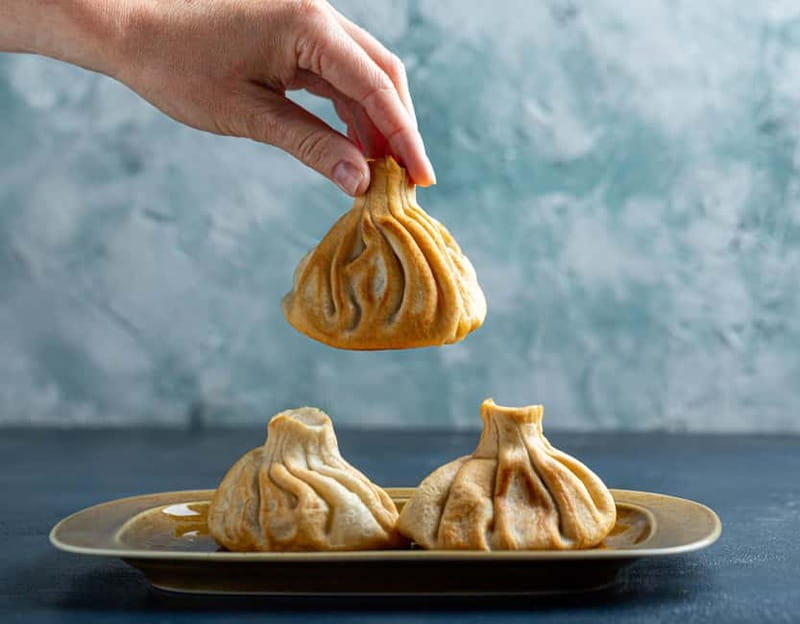
- Four khinkali varieties are included: Fillings may include potato, cheese, mushroom, meat, herbs and spices.
- The food is not limited to dumplings: You also taste khachapuri, Georgian wine, sweets, pecans, sauces and spices.
- The route mixes food and city sights: Expect street art, urban views, market scenes and stories about Tbilisi.
- Hotel pickup and drop-off are included: This helps when the walking route covers several parts of the city.
- Small groups or private tours are available: The experience can feel personal, though the exact guide may vary.
Dezerter Bazaar gives the tour its local pulse
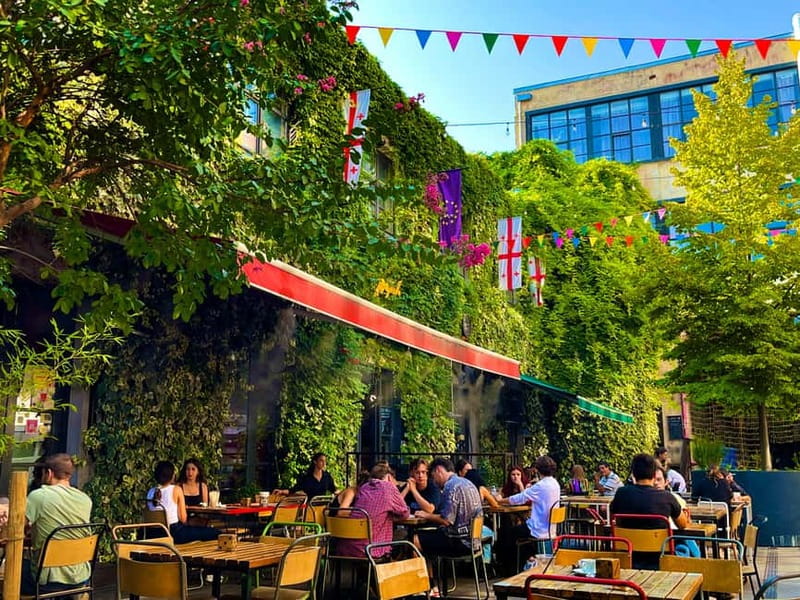
The first major stop is Dezerter Bazaar, one of the most useful places in Tbilisi for understanding Georgian food. You are not simply looking at arranged plates in a restaurant. You are walking among stalls selling fresh produce, spices, sauces and regional specialties, with a guide explaining what you are seeing and how it fits into local cooking.
That setting matters. Georgian food can look simple on a menu, but its character often comes from the ingredients beside it: sharp sauces, fragrant spices, nuts, herbs and preserved sweets. At the market, you can connect those ingredients with the food you taste later.
Expect a lively, sensory stop. You will hear the city around you, see vendors at work and have the chance to sample products rather than just photograph them. The exact selection can change, since market offerings are not fixed in the way a restaurant menu is. That is part of the point, but it also means you should not expect every stall or sample to be identical on every departure.
This is a good place to ask questions. If you enjoy cooking, ask your guide how a sauce is used, what a spice is paired with or how a particular sweet is made. Guides such as Camilla, Giorgi and George have been praised for combining food with stories about Tbilisi and Georgia, so the market visit is more than a quick tasting stop.
More street food walks around the world:
- Dubai: Old Town, Creek, Museums, Souks, & Street Food Tour
★ 4.8 · 10,816 reviews - Ho Chi Minh City Street Food Tour & Sightseeing By Motorbike
★ 5.0 · 9,413 reviews - Medellin: Comuna 13 Graffiti Tour, Cable Car & Street Food
★ 4.8 · 9,046 reviews
Four kinds of khinkali make the meal memorable
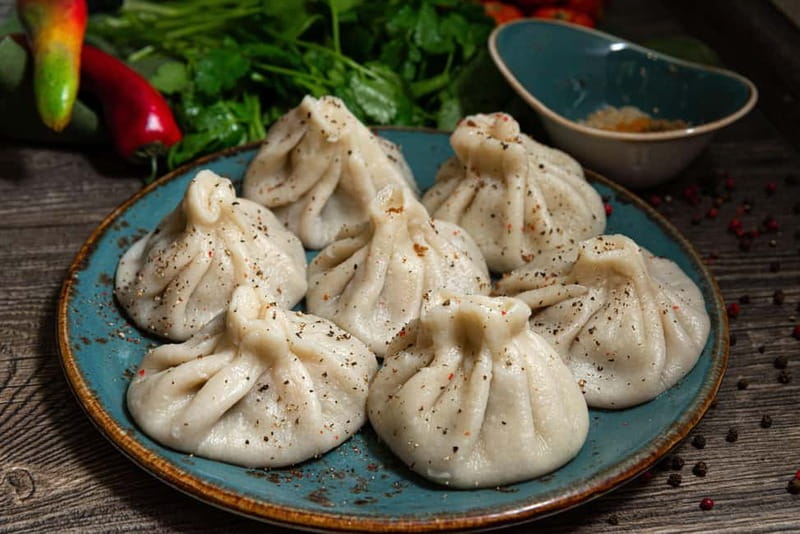
Khinkali is one of Georgia’s signature foods, and this tour gives you more than one version. You can sample four varieties with fillings that may include potato, cheese, mushroom, meat, herbs and spices.
That comparison is the smart part. One dumpling tells you what khinkali is. Four show you how much the texture and flavor can change with the filling. Meat gives you the classic savory direction, while potato, cheese or mushroom versions offer a different experience for those who prefer milder or meat-free food.
Khinkali is also a food best understood at the table. You will want to eat it carefully and follow your guide’s instructions, especially if the dumplings contain hot broth. This is not a polished, tiny tasting menu. The portions can add up quickly, particularly when combined with khachapuri, sweets and wine.
A useful tip is to arrive with an empty stomach. One person on a tour with Camilla could not finish half of the dishes served. That is a helpful warning, not a complaint. The food program is generous for a two to three-hour walk, so do not plan a large meal immediately before or after.
Khachapuri explains Georgia in one satisfying bite
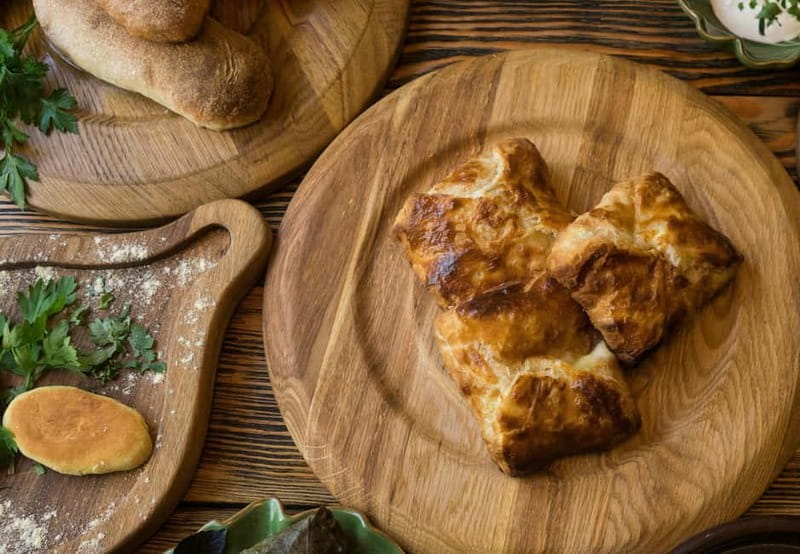
Khachapuri, the cheese-filled Georgian bread, is another central tasting. It is filling, familiar and easy to enjoy even if you are new to Georgian cuisine. After the sharper flavors of sauces and spices, the warm cheese and bread offer a comforting change of pace.
The tour does not treat khachapuri as an isolated dish. It appears as part of a wider meal that includes dumplings, wine and market products. That helps you see how Georgian food balances dough, cheese, herbs, meat, nuts and strong seasonings.
I would pace yourself here. It is tempting to finish every piece, but the tour includes several stops and the food is not merely decorative. If you are traveling with a friend, sharing bites can let you try more without feeling overfull. Dietary preferences should be discussed with the guide before the tour, though the experience is specifically marked as unsuitable for people with food allergies.
Homemade wine adds a taste of Georgian tradition
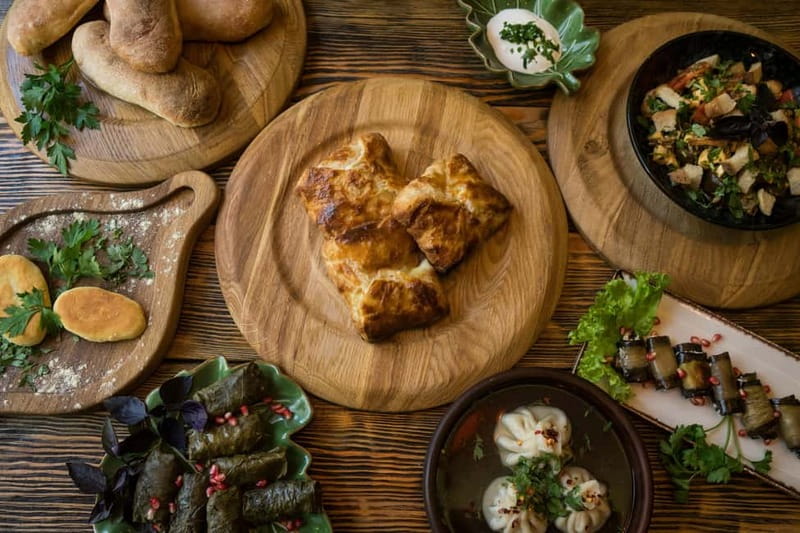
Wine is included among the tastings, with homemade Georgian wine presented as part of the food experience. This is valuable because it adds another layer to the tour. You are not only eating Georgian dishes; you are trying the kind of drink that belongs with them.
The description does not promise a formal winery visit or a technical wine lesson, so you should think of this as a tasting within a city food walk. The emphasis is on local flavor and culture. If wine matters to you, ask your guide about what you are drinking and how it is served with the dishes.
The tour may not suit you if you do not drink alcohol, though the wider tasting schedule includes plenty of non-wine foods. The booking information does not specify a substitute drink, so mention your preferences in advance rather than assuming one will be provided.
Same streets, a different set of bites:
- Dubai: Old Town, Souks, Street Food, Guided Tour & Abra Ride
★ 4.9 · 7,170 reviews - Naples: Street Food Walking Tour with Local Guide
★ 4.9 · 4,976 reviews - Small Group Hanoi Street Food Tour with a Real Foodie
★ 5.0 · 4,682 reviews - Rome: Street Food Tour with Local Guide
★ 4.8 · 4,077 reviews
The modern food hall shows another Tbilisi
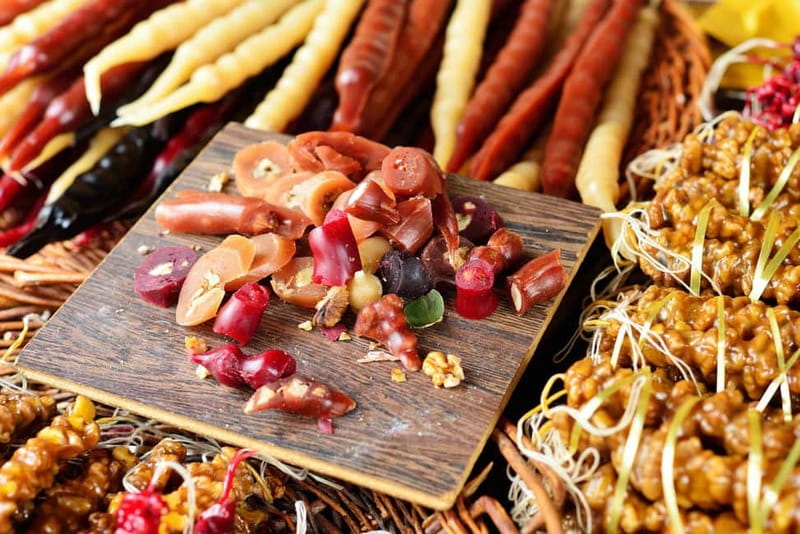
The route also visits a modern food hall, which keeps the experience from becoming a narrow market tour. Here you can sample pecans, unusual spices, traditional sweets and sauces while seeing a newer side of the city’s food scene.
This contrast is one of the strongest features of the outing. Dezerter Bazaar gives you a direct look at local buying and selling. The food hall shows how Georgian flavors are being presented in a more contemporary urban setting. You get two different views of Tbilisi without needing to book separate activities.
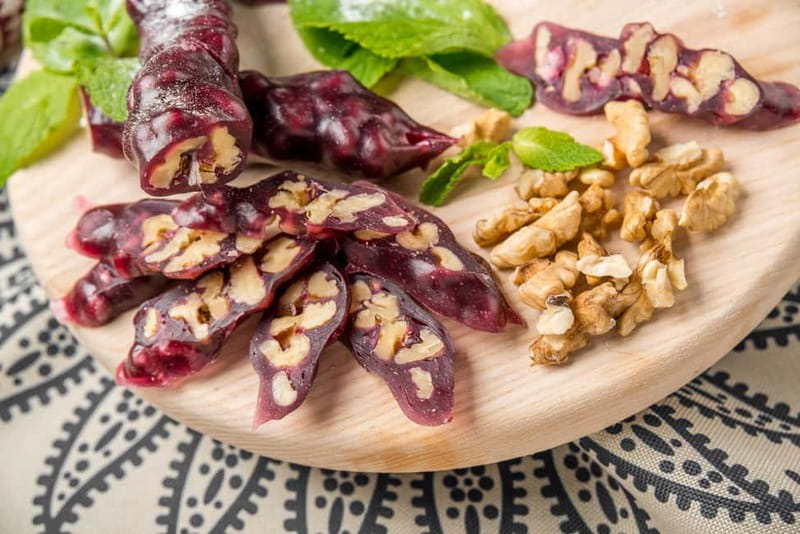
The sweet samples may include churchkhela and other traditional treats, while one itinerary experience also included cheese and wine ice cream. The exact products can vary, but the larger idea is clear: expect more than standard restaurant dishes. You may also receive a few treats to take home, although that should not be treated as guaranteed.
If you are looking for souvenirs, this stop may help you choose spices, sauces, sweets or nuts. Any purchases beyond the included tastings are your responsibility. The price covers the stated tastings, not every food or drink you might want to buy along the way.
Walking through the city keeps the food connected to place

Food is the focus, but the tour also works as a compact introduction to Tbilisi. You will walk through the urban center and see markets, street art, lesser-known corners and city scenes along the route. The guide may explain the left bank and other parts of the city, as George did on one outing.
That city element is important. You begin to understand where Tbilisi eats, shops and gathers instead of seeing Georgian cuisine as a set of disconnected dishes. The sounds of the streets, the movement between neighborhoods and the changing style of the stops give the food some context.
The route is not described as a formal monument tour, so do not book this if your main goal is an intensive survey of churches, museums or major landmarks. You will see sights along the way, but the experience is built around food and urban discovery.
The walking also means you need comfortable shoes, water and clothing suited to the weather. A sun hat and camera are sensible additions. Large bags and luggage are not allowed, and pets cannot join.
Guides shape the experience more than the menu
The food list is appealing, but the guide is what turns it into a tour. Camilla has led outings that included food, city sights and conversation, while Giorgi has tailored routes to personal interests, including street art, vintage shops and less touristy parts of Tbilisi. George has explained city divisions and local history during the walk.
Those details suggest a flexible experience, particularly in a private or small group. One person ended up with a private tour because no one else had booked, which allowed for a more personal pace. You should not assume every departure will be private, but the option is available.
A guide can also help with unfamiliar foods. Khinkali, sauces and market products may not be obvious to a first-time visitor, and a short explanation can make the tasting more enjoyable. The strongest feedback has focused on guides being kind, punctual, fun to talk to and good at connecting food with Georgian history.
The guide language is English. If you want the most personal version of the tour, choose a private option if available and tell the operator what interests you: markets, street art, local history, sweets, wine or traditional meals.
Is $40 good value for Tbilisi?
At $40 per person, the price is reasonable if you use the full package. You are paying for a two to three-hour guided walk, hotel pickup and drop-off, visits to three types of food stop, and tastings that include khinkali, khachapuri, wine, sauces, spices and sweets.
The transport matters. Tbilisi’s food stops are not necessarily concentrated in one small area, and pickup and return save you the trouble of arranging taxis around the tour. One experience used taxi rides for longer distances, which made the route easier to manage.
The value is strongest for a first visit, when you want a quick orientation and a meal-sized introduction to Georgian food. It is less compelling if you already know Tbilisi’s markets well or prefer to choose every dish yourself. Extra food and drinks outside the stated tastings are not included, so keep a little money available for purchases.
You can cancel up to 24 hours before the activity for a full refund, and you can reserve now and pay later. Those terms are useful if your schedule is still changing.
Who should book this food walk?
I would recommend it to first-time visitors who want food and city orientation in the same morning or afternoon. It also suits curious eaters who want to compare several khinkali fillings instead of ordering one dish from a menu and moving on.
The tour is a good match for small groups, couples and solo visitors who prefer conversation with a guide. A private option can be especially useful if you want the route adjusted toward markets, street art, vintage shops or local history.
You should think twice if you have serious food allergies, since the activity is not suitable for people with food allergies. It is also not designed for wheelchair users, children under 12 or people over 75. The walking, multiple food stops and weather exposure require a reasonable level of comfort on foot.
Should you book the Tbilisi Street Food and Sightseeing Tour?
Book it if you want a compact, food-heavy introduction to Tbilisi rather than a standard sightseeing circuit. The combination of Dezerter Bazaar, four khinkali styles, khachapuri, homemade wine, market products and a modern food hall gives you plenty to taste for $40.
The best reason to choose it is the guide-led connection between food and city life. You can eat well, learn how Georgian ingredients fit together and see parts of Tbilisi that you might skip while following a landmark checklist.
Skip it if you need a fully accessible route, have food allergies or prefer a light snack tour. For everyone else, arrive hungry, wear good shoes, bring water and tell the guide about your food preferences before the first tasting.
FAQ
How long does the Tbilisi food tour last?
The tour lasts approximately 2 to 3 hours. Starting times depend on availability.
What food is included?
Included tastings feature four varieties of khinkali, khachapuri, Georgian wine, sauces, spices and traditional sweets. Tastings also take place at Dezerter Bazaar, a local restaurant and a modern food hall.
Is hotel pickup and drop-off included?
Yes. Hotel pickup and drop-off are included in the experience.
What language does the guide speak?
The live tour guide speaks English.
Can I book a private tour?
Yes. Private or small-group options are available.
Is Georgian wine included?
Yes. Homemade Georgian wine is included among the tastings.
Are extra food and drinks included?
Only the listed tastings are included. Additional food and drinks are not covered, so you may need to pay separately for anything beyond the included items.
What should I bring?
Bring comfortable shoes, a sun hat, a camera, water and clothing suitable for the weather.
Who should not take this tour?
The activity is not suitable for children under 12, wheelchair users, people with food allergies or people over 75. Pets and large bags are also not allowed.
Newest street food walks around the world
- Old Delhi Cultural, Temples, Heritage Walking Street Food Tour★ 5.0 · 57 reviews
- Old and New Delhi Street Food Sampling★ 5.0 · 3 reviews
- Old Delhi Tour by Tuk-Tuk Street Food and Shopping Experience★ 5.0 · 12 reviews
- Customized Half Day and Full Day Delhi Shopping, Street Food Tour★ 5.0 · 52 reviews
- Delhi: Street Food Crawl (2 Hours Guided Food Tasting Tour)★ 3.5 · 18 reviews
- Taste Famous & Best Street Food of Old Delhi (Jama Masjid)★ 3.0 · 2 reviews
- Spice & Stories: 3-Hour Old Delhi Heritage Food Walk Guided Tour★ 4.5 · 36 reviews
- Old Delhi Street Food and Spice Market Tour★ 5.0 · 81 reviews